Energy Efficiency & Comfort Products
Atlanta Supply's Top Ten Tips for Energy Savings
|
Air Booster Fans |
Duct Sealer |
Do you have a room that's always hotter in the summer or colder in the winter than the rest of your house? The HC500 can help. It replaces an existing 4x10 register in the floor or wall. Two low voltage 3-speed fans draw extra air from the furnace, delivering more air into the room. It is easy to install and easy to operate. Adapter plates are available for other sizes.
|
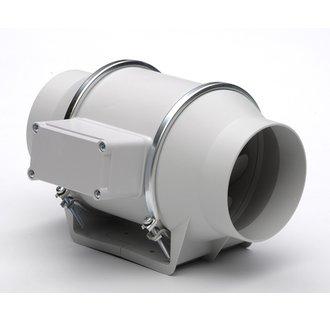
Boost airflow to rooms that are too hot or too cold. Mixed flow fans maximize airflow performance and minimize noise leves. Use with the

DSPIT for easy installs and setup.
|

Winter is coming
Sealing Ducts Saves Energy
Benefits:
- 20% of air loss in typical ductwork
- Can save over $150/year
- Improved Comfort
- Reduct CO2 emmisions
- Low cost to benefit
|
Atlanta Supply's Top Ten Tips for Energy Savings
-
Install a programmable thermostat.
A must. Outdated thermostats are the weakest links in conserving energy.
Honeywell, a leading manufacturer, estimates that homeowners can receive
the equivalent of one to three months free cooling and heating by installing
a programmable thermostat. The key to making this work is running the
program. Do not put the thermostat on hold. If you need to change the
temperature, use the temporary overrides.
-
Change the filter
in your furnace. Dirty filters catch more dirt, but
they also put a huge load on your furnace. This results in longer run
times for equipment and higher utility bills and maintenance costs.
If you are still using one inch throwaways, change them every 30 days.
If you are using an air cleaner, change the media once a year, unless
you have a gauge. Depending on your situation media can last up to two
years, but you won't know without a gauge.
-
Insulate, insulate,
insulate. If you live in a drafty home you could save
20% on your energy bills by adding $25 weather stripping around windows
and doors. Reflectix is a great way to provide a radiant heat barrier
for your home. Have you ever seen a house after a snow, where there
is no snow on the roof? This is not the sun melting the snow. It is
your heat escaping through the ceiling and roof. The same thing is happening
in reverse in the summer. It is also happening in your basement and
crawlspace.
-
Insulate some more.
Insulate your water heater with a water heater blanket. Wrap your hot
water pipes anywhere you can reach them. Also, wrap two feet of the
cold water lead going to the water heater.
-
Seal leaky ductwork.
All of the joints on your ductwork should be taped and sealed. Preferably
this should be done with mastic or mastic tape. At the least use foil tape but do not use standard duct tape. It has many uses, but ductwork
is not one of them. You won't see it on this site and you should not
see it on your ductwork. Also replace any insulation around your unit
that may have gotten wet from your AC. Wet insulation does not insulate
unless it is Reflectix.
-
Install an attic ventilator.
An attic in the summer can reach 125 degrees or more. An attic fan can
reduce this temperature to under 98 degrees. This will help reduce the
runtime in you air conditioning unit dramatically.
-
Drapes and Shutters.
Keep drapes or shutters closed during the hottest part of the day, especially
on the West and South side of the house.
-
Ceiling Fans.
Using a ceiling fan can allow you to turn the thermostat up a couple
of degrees. This is because of air circulation and not a reduction of
air temperature. So do not run fans in unoccupied runs. These do not
help you and in fact all they do is burn electricity.
-
Duct booster fans
and dampers. Anytime you can direct air from a room
where it is not needed to one where it is you will decrease your run
times or allow you to turn the thermostat up a degree or two. Also if
you have a long vent run on your dryer, a dryer booster fan will significantly
cut dryer time.
-
Check your furniture
and living habits. If you have furniture blocking vents,
move the furniture or use deflectors to get your air in the right place.
Close doors and block vents of unused rooms. Do not block returns as
this will decrease your unit's efficiency and possible damage your equipment.
By blocking select supply vents, you increase airflow into occupied
rooms and decrease the amount of time your unit runs.
|